The Ceiling: An Expert Birdwatching and Camera Kit
A spotting scope earns its place in a kit once you are watching shorebirds, raptors or anything across open water or a field where a binocular runs out of reach. The Vortex Diamondback HD spotting scope at 20 to 60 power on the matched Vortex High Country II tripod is the pairing that actually lets that magnification hold steady; a scope this powerful handheld or on a light travel tripod is nearly unusable.
The Zeiss Terra ED 8x42 stays the everyday binocular for close and moving birds, while the Birdfy 2 Pro and the Humbirdy 4K hummingbird camera handle the feeder end of things at a resolution sharp enough to make out individual feather detail on playback.
The complete list: $1889.82
| Item | Why this one | Qty | Price | |
|---|---|---|---|---|
| Binoculars and harness | ||||
 | ZEISS Terra ED Binoculars 8x42 Compact Buy on Amazon Compare alternatives | Zeiss Terra ED optics are built for the low-light performance and edge sharpness that matter across an entire day in the field, a genuine step above the Diamondback HD used at the intermediate tier. | 1 | $469.86 |
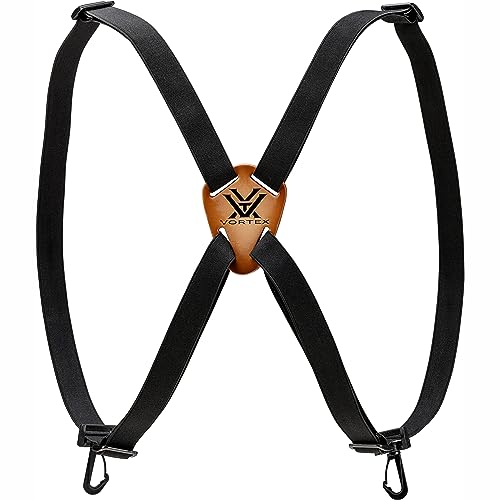 | Vortex Binocular Harness Strap Buy on Amazon | A Vortex harness keeps the binocular ready and off the neck through a long session that now also involves setting up and breaking down a tripod and scope. | 1 | $24 |
| Spotting scope and tripod | ||||
 | Vortex Diamondback HD Spotting Scope 20-60x85 Angled Buy on Amazon Compare alternatives | A 20 to 60 power angled scope reaches shorebirds, raptors and anything across open water or a field that an 8x42 binocular simply cannot resolve at that distance. | 1 | $499 |
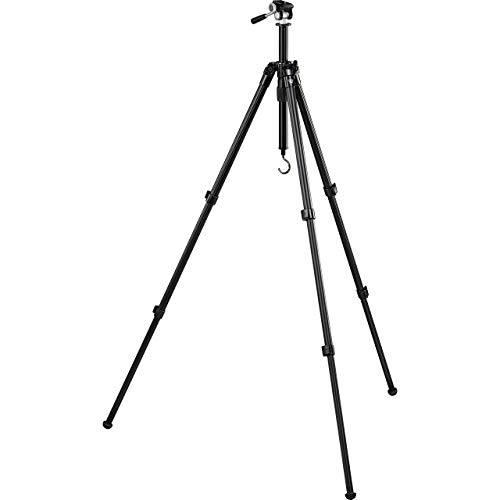 | Vortex High Country II Tripod Kit Buy on Amazon | A stable tripod matched to the scope is not optional at this magnification; handheld or on a lightweight travel tripod, image shake makes 40x or higher unusable in practice. | 1 | $199 |
| Smart camera feeder | ||||
 | Birdfy 2 Pro Solar Smart Bird Feeder Camera Buy on Amazon Compare alternatives | Dual-lens wide and close-up views with AI bird ID give a fuller picture of feeder activity than a single-lens camera, the top of the camera-feeder line alongside Birdbuddy Pro. | 1 | $259.98 |
 | TRAILMARK NATURALS - 20 Pound Black Oil Sunflower Seeds for Birds Buy on Amazon Compare alternatives | A 20 pound bulk bag of black oil sunflower keeps a high-traffic camera feeder full without constant refill trips. | 1 | $48.99 |
| Hummingbird camera | ||||
 | Humbirdy 4K Hummingbird Feeder with Camera Buy on Amazon Compare alternatives | 4K resolution with no subscription requirement captures individual feather and gorget detail on playback that a 2K camera at lower tiers cannot resolve. | 1 | $179 |
 | 4OZ Vintage Glass Ant Moat for Hummingbird Feeder 4 OZ Large Capacity Buy on Amazon | A glass ant moat holds up to a full season in the sun better than plastic, protecting a feeder that is now also carrying a camera. | 1 | $12.70 |
 | Happy Wings 2 LB Natural Unflavored Hummingbird Nectar Powder Buy on Amazon | A 2 pound bag of natural unflavored nectar powder concentrate lasts a full season of daily-to-weekly refills without repurchasing mid-season. | 1 | $12.97 |
| Nest camera | ||||
 | Birdfy Bird House with Camera Solar Powered with Metal Cladding for Buy on Amazon Compare alternatives | A metal-clad solar nest box camera holds up to years of outdoor exposure better than the plastic-housed camera boxes used at the intermediate tier. | 1 | $139.99 |
| Field guides | ||||
 | The Sibley Guide to Birds, 2nd Edition Buy on Amazon | The full Sibley Guide to Birds covers far more species and plumage variation than the compact regional edition, useful once a scope is pulling in birds outside the immediate backyard list. | 1 | $20.84 |
 | National Geographic Field Guide to the Birds of the United States and Buy on Amazon | The National Geographic Field Guide to the Birds of the United States and Canada is the other standard full national reference, useful for cross-checking a Sibley identification against a second set of range maps and illustrations. | 1 | $23.49 |
| Running total for the complete kit | $1889.82 | |||
Email me this kit as a printable list
Every line of this kit with its link and the running total, so you can buy it in stages.
Used only to send the checklist.What you can skip
- A second spotting scope; one good scope on a stable tripod covers the vast majority of long-range birding needs.
- A carbon fiber tripod upgrade unless you are regularly hiking any real distance with the scope; the included aluminum kit is stable enough for yard and roadside use.
- A phone photography adapter before confirming you actually want to digiscope rather than just observe through the eyepiece.
- A second 4K hummingbird camera at a different feeder before checking whether the first one is even getting consistent traffic.
What to upgrade first
- The tripod head to a fluid or gimbal style if you are tracking moving raptors rather than watching a fixed feeder or shoreline.
- The spotting scope’s eyepiece if a fixed magnification model is limiting you at long range; some scopes in this line accept interchangeable eyepieces.
- The nest camera’s mounting height or angle after the first season if it is missing part of the nest cup on playback.
Who should not buy this tier: Anyone new to birdwatching, and anyone without a place to actually use a spotting scope’s range, such as a small yard boxed in by trees or fences on every side. A scope this powerful is wasted without open sightlines of 100 yards or more, and the cost only makes sense once you already know you want that reach. Start with the beginner or intermediate kit instead.
When does a spotting scope actually earn its keep over binoculars?
A binocular tops out usefully around 10x magnification before hand shake makes the image unusable; a scope on a tripod removes that limit entirely. That matters for shorebirds picking through mudflats a hundred yards off, raptors soaring at altitude, or waterfowl rafted up on the far side of a pond, all situations where an 8x42 shows a shape but a 20 to 60 power scope shows field marks. If most of your birding happens in a wooded yard at 10 to 40 feet, a scope adds bulk and setup time without adding much you can actually see.
How do I choose a magnification on a variable scope in the field?
Start at the low end of the 20 to 60x range, around 20 to 25 power, to find and center the bird, then zoom in once it is framed. Jumping straight to 60 power narrows the field of view so much that finding a moving bird first becomes the hard part, and image brightness and stability both drop at the top of the zoom range, especially in low light or heat shimmer over open ground.
What upkeep does a kit with a scope, tripod and three cameras actually require?
| Item | Task | Interval |
|---|---|---|
| Spotting scope lenses | Lens pen, cap when not in use | Every outing |
| Tripod leg locks and head | Check tension, clean grit from joints | Monthly |
| 4K hummingbird camera nectar | Full change | Every 6 days below 75 F, daily above 92 F |
| Nest camera lens | Check for condensation, clear debris | Monthly, more after storms |
| Smart feeder camera panel | Wipe dust and pollen | Every 2 to 4 weeks |
Is the jump from Vortex Diamondback HD to Zeiss Terra ED actually noticeable?
In direct comparison, most experienced birders notice the difference at the edges of the field of view and in low light at dawn and dusk, where the Zeiss Terra ED’s glass and coatings hold contrast and color noticeably better than the Diamondback HD. In good midday light on a nearby, well-lit bird, the practical difference narrows considerably; the upgrade pays off most for someone birding at the edges of the day or in difficult light, not for someone birding a sunny yard at noon.
The big-ticket items in this kit
Prices move constantly; the button shows the current figure.
Frequently asked questions
Do I need both a spotting scope and binoculars, or does the scope replace them?
They serve different jobs and neither replaces the other. Binoculars have a much wider field of view, which makes them the right tool for finding and following a moving bird at close to medium range, while a scope’s narrow, high-magnification view only works well on a stationary or slow-moving subject at longer distances. Serious long-range birders carry both.
Is 4K actually necessary for a hummingbird camera, or is 2K enough?
For casual viewing, 2K is genuinely enough to enjoy watching hummingbird visits in real time. 4K earns its cost specifically when you want to zoom into playback afterward, for instance to check gorget color and confirm a species or sex, since that level of digital zoom needs the extra resolution to still look sharp rather than blocky.
Why avoid a carbon fiber tripod at this budget if weight matters?
Carbon fiber mainly helps when you are carrying a tripod any real distance on foot, and it costs meaningfully more than aluminum for a similar stability rating. For yard, roadside and short-trail birding where the tripod goes up once and stays put for a session, the included aluminum kit is stable enough that the weight savings are not worth the added cost.
What is the single most common mistake people make buying a spotting scope this powerful?
Buying the scope before confirming they have anywhere to actually use its range. A 20 to 60 power scope needs open sightlines of at least 100 yards to be worth the magnification; used in a small, tree-lined yard it mostly just narrows the field of view compared to binoculars without showing meaningfully more detail at typical yard distances.
Should a beginner ever start directly with this tier instead of working up?
It is not impossible, but it usually means paying for capability that goes unused for months while someone learns basic identification and field habits that a much cheaper binocular and field guide teach just as well. Working up through the beginner and intermediate tiers first also makes it clear whether the long-range use case for a scope is real for your specific location before spending this much on it.