How often to change hummingbird nectar, by temperature
Sugar water ferments and grows mould faster as temperatures rise. This is the widely reproduced change schedule used by Audubon chapters and feeder manufacturers; the recipe is always 1 part white sugar to 4 parts water.

| Daily high | Change every | Batch for one 16 oz feeder |
|---|---|---|
| Below 71 F | 6 days | 2 cups water + 1/2 cup sugar |
| 71 to 75 F | 6 days | 2 cups water + 1/2 cup sugar |
| 76 to 80 F | 5 days | 2 cups water + 1/2 cup sugar |
| 81 to 84 F | 4 days | 2 cups water + 1/2 cup sugar |
| 85 to 88 F | 3 days | 2 cups water + 1/2 cup sugar |
| 89 to 92 F | 2 days | 2 cups water + 1/2 cup sugar |
| 93 F and above | 1 day | 2 cups water + 1/2 cup sugar |
Feeders and brushes that make frequent changes easy
Prices move constantly; the button shows the current figure.
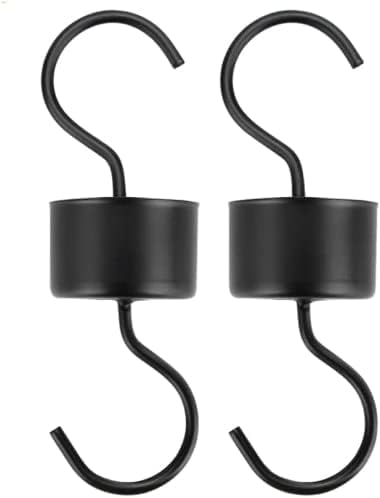
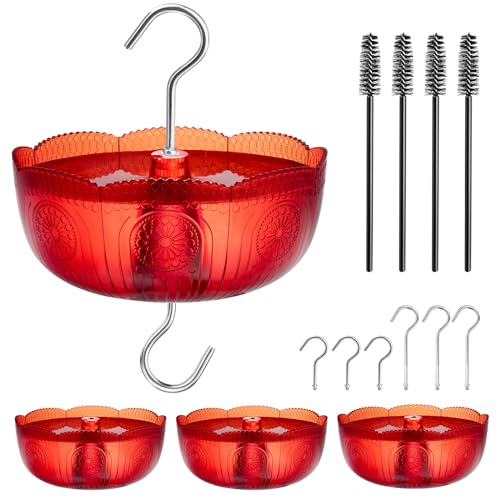

![Glass Hummingbird Feeder 10oz [Set of 2] Ant Guard & Wide Mouth](https://m.media-amazon.com/images/I/51-dvyoiGaL._SL500_.jpg)

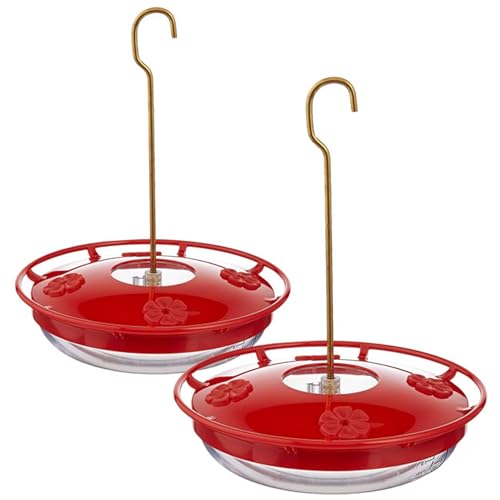
Batch sizes for several feeders are worked out by the hummingbird nectar calculator. In hot weather fill feeders only halfway so less is wasted.
Get the printable checklist
One page with every item, the placement distances and the cleaning schedule. We send it once. No sales sequence.
Used only to send the checklist.Frequently asked questions
How long can hummingbird nectar stay out?
It depends on temperature. In mild weather with highs below about 75 F, nectar can stay out for up to 6 days. As highs climb it spoils faster: 3 days in the mid 80s and only a day above 92 F. Cloudy nectar, floating specks or mould mean it has spoiled and must be replaced immediately, whatever the schedule says.
How long does homemade hummingbird nectar last in the fridge?
Unused nectar stored in a clean, covered container in the refrigerator keeps for about a week. Making a larger batch and refilling from the fridge saves time during frequent summer changes. Let refrigerated nectar come up toward outdoor temperature before filling, and discard any stored nectar that turns cloudy.
Why does nectar get cloudy?
Cloudiness is fermentation: yeasts and bacteria are feeding on the sugar. It happens faster in heat and direct sun, and in feeders that were not fully cleaned between fills. Cloudy nectar should be poured out, the feeder scrubbed with hot water and a brush, and fresh nectar added. Hanging the feeder in partial shade slows spoilage.
Do I need to clean the feeder every time I change nectar?
Yes. Rinse and scrub the feeder with hot water at every change, using a small bottle brush on the ports. Once a week or when you see mould, soak it in a 1 to 9 bleach solution or a vinegar solution, then rinse thoroughly. Refilling a dirty feeder with fresh nectar spoils the new nectar almost immediately.
Does feeder colour or sun affect how fast nectar spoils?
Sun and heat matter far more than colour. A feeder in full afternoon sun heats up and ferments quickly, so partial shade roughly extends the time between changes. Glass reservoirs stay a little cooler and clean more easily than thin plastic. Whatever the feeder, follow the temperature schedule for the daily high where it hangs.