Best Bird Seed in 2026
There is no single seed that attracts every bird, but black oil sunflower comes closest, since its thin shell and high oil content make it accessible and nutritious for the widest range of backyard species. The CountryMax 20 lb Black Oil Sunflower bag is our top pick for size and value, while smaller and larger bags cover light feeding and high-volume yards.

The short list
| Tier | Pick | Price | |
|---|---|---|---|
| Beginner | TRAILMARK NATURALS - 10 Pound Black Oil Sunflower Seeds for Birds | $24.99 | View |
| Intermediate | CountryMax 20LB Black Oil Sunflower Seeds for Birds - in Shell | $37.99 | View |
| Expert | CountryMax 50lbs Backyard Seeds Black Oil Sunflower Seeds | $54.99 | View |
TRAILMARK NATURALS - 10 Pound Black Oil Sunflower Seeds for

The Trailmark Naturals 10 lb Black Oil Sunflower bag is a manageable starter size for a single feeder or two, letting you try black oil sunflower without committing to a large bag that could go stale before you use it all, especially if you are new to feeding and unsure how quickly your feeders will empty.
Skip it if: Skip it if you already run multiple feeders or know you refill often, since the per-pound cost improves noticeably at larger bag sizes.
CountryMax 20LB Black Oil Sunflower Seeds for Birds - in
The CountryMax 20 lb Black Oil Sunflower bag is the buy-once size for a typical one or two feeder backyard setup. It stretches through weeks of regular feeding at a noticeably better per-pound price than a small bag, without the storage demands of a 50 lb sack.
Skip it if: Skip it if you only run a single small feeder and go through seed slowly, since a smaller bag may finish before this one does and stay fresher.
CountryMax 50lbs Backyard Seeds Black Oil Sunflower Seeds

The CountryMax 50 lb Black Oil Sunflower bag is the ceiling pick for a high-volume yard running several feeders or a feeding station that empties fast. It delivers the best per-pound price in the catalog, but only pays off if you can store it properly and use it before it goes stale.
Skip it if: Skip the 50 lb bag if you cannot store it somewhere dry and rodent-proof, since a bag that size sitting in humid conditions can spoil before you work through it.
Also worth a look
Other listings in the same category, spread from budget to premium.



What type of bird seed is best for attracting the most species?
Black oil sunflower seed is generally considered the single best all-purpose seed because its shell is thinner and easier to crack than striped sunflower, and its high fat content gives more energy per seed, which matters most for small songbirds in cold weather. It is readily eaten by cardinals, chickadees, finches, nuthatches, titmice and grosbeaks, among many others, which is why most feeding guides recommend it as a default choice if you can only buy one type.
If you can only maintain one feeder and want the broadest possible visitor list, black oil sunflower in a simple tube or hopper feeder is the most reliable starting point. Adding a second seed type is worth it once you want to target specific species, such as nyjer for finches or white proso millet for ground feeders, rather than replacing the sunflower entirely. Most backyard feeding stations settle into a two or three seed rotation over time rather than sticking to a single type indefinitely, adjusting the mix as new species show up throughout the year.
What are the main types of bird seed and what do they attract?
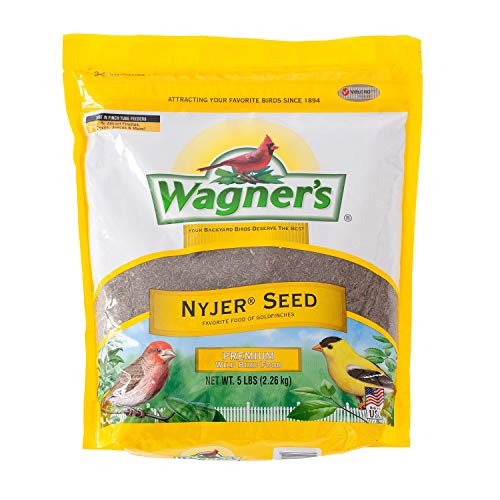
Beyond black oil sunflower, several other seed types serve specific purposes. Nyjer, also called thistle, is tiny and requires a small-port feeder, and it is the seed of choice for finches. Safflower has a bitter taste that many squirrels, grackles and starlings avoid, though not universally, which makes it a useful tool against bully birds without being a guarantee. Sunflower hearts, already shelled, create no hull mess below the feeder and work for almost every seed-eating species, at a higher price for the convenience. White proso millet is preferred by ground-feeding species like juncos and doves.
| Seed type | Best for | Notes |
|---|---|---|
| Black oil sunflower | Widest range of species | Best default choice, thin shell, high fat |
| Nyjer / thistle | Finches | Needs small-port feeder, goes stale if left too long |
| Safflower | Cardinals, chickadees | Often avoided by squirrels and some bully birds |
| Sunflower hearts | Almost all species | No hull mess, higher price per pound |
| White proso millet | Ground feeders, juncos, doves | Best scattered or in a platform feeder |
See our bird seed types chart and safflower vs sunflower comparison for a deeper look at how each seed performs against specific birds.
How do I keep squirrels and bully birds out of the seed?
Safflower is the most practical seed-based deterrent, since many squirrels, along with grackles and starlings, tend to avoid its bitter taste, though results vary and it is not a guarantee against every animal. Pairing the right seed with a squirrel-resistant feeder and proper pole distance works far better than seed choice alone. Squirrels can jump roughly 8 to 10 feet horizontally and about 4 to 5 feet straight up, so a pole feeder should sit at least 10 feet from the nearest launch point, like a tree branch or fence rail, with any baffle mounted 4 to 5 feet up the pole.
Switching an entire feeding station to safflower cold turkey can also reduce total bird activity for a week or two, since some songbirds take time to discover and accept an unfamiliar seed even though most eventually do. A gradual transition, mixing safflower in with existing black oil sunflower before switching over fully, tends to keep visitation steadier during the changeover.
How do I calculate how much bird seed I need per month?
Seed consumption depends heavily on how many feeders you run, how many birds visit, and the season, since cold weather sharply increases how much birds eat to maintain body heat. As a rough starting point, a single well-visited feeder in a suburban yard commonly goes through 5 to 10 pounds of seed a week during active feeding season, with usage often doubling during the coldest stretches when natural food is scarce. Track your own refill frequency for a few weeks and use our bird seed cost calculator to estimate a realistic monthly budget based on your actual usage rather than a generic average.
How we chose
We did not test these seeds in person. This roundup is built from published bag sizes, seed compositions and manufacturer documentation, cross-checked against species preference data published by wildlife feeding guides and Cornell Lab resources, along with a wide read of verified owner reviews on freshness and hull mess. Where a bag's exact seed sourcing was not published, we relied on the seed type stated on the label rather than assuming further detail. We did not carry over species preference claims from one seed type to another without checking that the specific claim applied to that seed. Squirrel and bully bird deterrent claims for safflower were treated as a general tendency rather than a universal rule for every yard, since local animal populations vary and individual squirrels sometimes learn to eat seed types they are generally reported to avoid.
Buying tips: choosing and storing bird seed
Buy seed in a quantity you can use within a few weeks, since nyjer in particular goes stale and loses its appeal to finches over time, and any seed sitting in humid conditions is more prone to mold. Store bags in a galvanized metal or heavy plastic container with a locking lid rather than the original paper bag, since rodents will chew straight through paper and thin plastic left in a garage or shed.
Check the label for filler content like milo, wheat or red millet, which most backyard birds pick out and drop on the ground uneaten. A straight black oil sunflower or a well-reviewed blend without heavy filler generally produces far less waste than a bargain generic mix.
Buying in bulk saves money per pound but only if storage conditions are right. A dry garage, shed or basement with a sealed container works well; a damp or poorly ventilated space can spoil even a well-sealed bag of seed faster than expected, so weigh the savings of a larger bag against your actual ability to keep it dry and pest-free for the weeks it takes to use it up.
Splitting a large bag into two or three smaller sealed containers, rather than one large one, also makes it easier to keep the seed you are actively using fresh while the remainder stays sealed and undisturbed, reducing how much moisture and outside air reaches the bulk of your supply.
Get the one-page buying checklist
The three picks above, the placement distances and a cleaning schedule on one printable page.
Used only to send the checklist.Buy the picks
Prices move constantly; the button shows the current figure.
Frequently asked questions
What is the best all-around bird seed to buy?
Black oil sunflower seed is the best single choice if you only want to buy one type, since its thin shell and high fat content make it accessible to the widest range of backyard birds, from chickadees and nuthatches to cardinals and finches. If you want to attract specific species, adding a second targeted seed like nyjer for finches rounds out a feeding station well.
What types of bird seed should I avoid?
Avoid mixes heavily padded with milo, wheat, red millet or cracked corn as filler, since most backyard songbirds pick around these and simply toss them on the ground, where they attract rodents and go to waste. Check the ingredient list on any mix rather than assuming a bag labeled for a specific bird, like cardinals, is free of filler.
How long does bird seed last once opened?
A dry-stored bag of black oil sunflower or mixed seed generally stays fresh for a few months, while nyjer specifically degrades faster and should ideally be used within 4 to 6 weeks of opening for best finch appeal. Any seed exposed to moisture can develop mold within days, which is why an airtight, rodent-proof storage container matters as much as the seed choice itself.
Does safflower seed really keep squirrels away?
Safflower is disliked by many squirrels, along with grackles and starlings, due to its bitter taste, but it is not a universal deterrent since some individual squirrels do learn to eat it anyway. It works best as one layer of squirrel management alongside a proper squirrel-resistant feeder and correct pole placement, rather than as a standalone solution.
What size bag of bird seed should I buy?
Match the bag size to how many feeders you run and how quickly they typically empty. A single feeder or two is usually well served by a 10 to 20 pound bag, while a multi-feeder station benefits from a 25 to 50 pound bag for better per-pound pricing, as long as you can store it somewhere dry and sealed against rodents before it goes stale.