Best Purple Martin House in 2026
Purple martins are colonial nesters, meaning a single pair rarely fills a house on its own, so buying enough compartments up front matters more than it does for most birdhouses. The S&K 12-Room Purple Martin House strikes the right balance of room count and price, while a gourd cluster and a premium aluminum house cover the budget and top ends.

The short list
| Tier | Pick | Price | |
|---|---|---|---|
| Beginner | LemonRoad 4 Pack Purple Martin Gourd House Plastic Martin Gourds | $53.09 | View |
| Intermediate | S&K Purple Martin House, 12-Room Birdhouse for Backyard Birding | $104.99 | View |
| Expert | Birds Choice Premium Aluminum Purple Martin House | $279.99 | View |
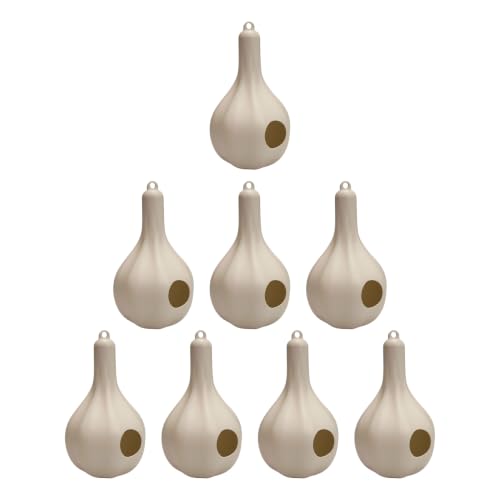
LemonRoad 4 Pack Purple Martin Gourd House Plastic Martin

The LemonRoad 4-Pack Martin Gourd House set gives you four separate gourd-style compartments, which mimics the natural hollow gourds martins have nested in for generations, at a fraction of the cost of a full multi-room house. It is a legitimate way to start attracting a first pair or two before committing to a larger structure.
Skip it if: Skip it if you already have an established colony nearby, since four compartments will fill quickly and cap how many pairs can nest.
S&K Purple Martin House, 12-Room Birdhouse for Backyard
The S&K 12-Room Purple Martin House gives a colony real room to grow, with 12 separate compartments in one structure, and it comes from a brand with a long track record specifically in martin housing. It is the buy-once pick for anyone serious about building an active colony over several seasons.
Skip it if: Skip it if you are unsure martins are even present in your area yet, since starting with a smaller gourd cluster is a lower-cost way to test that first.
Birds Choice Premium Aluminum Purple Martin House

The Birds Choice Premium Aluminum Martin House is the ceiling pick, built from aluminum with starling-resistant design details rather than painted wood, which holds up longer against weather and against the same nest-competitor pressure that threatens bluebird boxes. It is built for a colony site you plan to maintain for many years.
Skip it if: Skip it if you want the traditional gourd-cluster look and lower cost of entry that a starter package offers.
Also worth a look
Other listings in the same category, spread from budget to premium.


How many compartments does a purple martin house need?
Because martins nest colonially, a house with only one or two compartments rarely attracts them at all; most successful colony sites start with at least 8 to 12 compartments, whether in a multi-room house or a cluster of gourds. Compartments should measure at least 6 by 6 inches with a 2.125 inch entrance hole, roughly the sizing used across every martin house and gourd in this roundup.
| Housing style | Typical compartment count | Compartment size |
|---|---|---|
| Starter gourd cluster | 4 gourds | 6x6 inches equivalent, 2.125 inch hole |
| Mid-size multi-room house | 12 rooms | 6x6 inches, 2.125 inch hole |
| Large colony house | 16 rooms | 6x6 inches, 2.125 inch hole |
An established colony can fill 12 or more compartments within a few seasons once martins commit to a site, which is why most experienced martin landlords recommend starting with more room than you think you currently need rather than expanding later, since adding housing mid-season can disturb birds that have already settled into the smaller structure. It is generally easier to leave extra compartments temporarily closed off than to try to add capacity once a colony is actively nesting. Closing off unused compartments with a simple plug also helps discourage house sparrows from claiming empty rooms before martins arrive for the season, and it is a quick, reversible step that costs nothing beyond a few minutes at the pole.
Gourd cluster or multi-room house: which attracts martins faster?
Both styles work, and in some regions gourds are reported to attract martins somewhat faster since they mimic the natural nesting cavities martins have used for centuries in the wild. A multi-room house like the S&K 12-Room Purple Martin House offers more total capacity in one purchase and is generally easier to mount and manage as a single unit, while a gourd cluster like the LemonRoad 4-Pack Martin Gourd House lets you add compartments incrementally as a colony grows.
Plastic gourds have mostly replaced natural dried gourds in modern martin housing, since plastic resists cracking, rot and squirrel chewing far better while keeping the same shape and depth martins respond to. A cluster of plastic gourds hung from a rack or crossarm system also allows individual compartments to be swapped, cleaned or replaced without disturbing the whole colony structure, which is harder to do with a single fixed multi-room house.
How high and where should a martin house be mounted?
Martin housing should go on a pole 12 to 20 feet high, in the most open spot available in the yard, at least 40 feet from the nearest tree line and any tall structure. Martins are aerial insect feeders and need a wide, unobstructed approach to the house; a site tucked near trees or a building rarely gets used even if every other detail is correct.
A telescoping or winch-style pole makes seasonal maintenance realistic at that height, since compartments need to be checked and cleaned between nesting seasons, and a fixed pole that requires a ladder every time discourages that upkeep.
Open water or a large open field within a few hundred yards is a strong bonus for a martin site, since martins feed heavily on flying insects over open areas, and colony sites near a pond, lake or large lawn tend to be reported as more successful than sites surrounded entirely by dense residential yards.
A predator baffle on the pole itself is just as important here as it is for a bluebird box, since raccoons, snakes and squirrels will all climb an unprotected pole to reach compartments at any height. Pair martin housing with a proper pole baffle rather than relying on height alone to keep predators out.
Check with your municipality or homeowners association before installing a tall pole in some settings, since a 12 to 20 foot pole is a noticeable structure and some areas have height restrictions on freestanding yard fixtures. This is rarely an issue for a typical suburban or rural yard, but it is worth a quick check before purchasing the pole and hardware, since retrofitting a shorter pole after the fact is more work than checking first.
How we chose
We did not test these purple martin houses in person. This roundup is built from published compartment counts, entrance hole dimensions and material specifications, cross-checked against nesting requirements published by purple martin conservation groups, along with a wide read of verified owner reviews describing actual colony attraction. Products without clearly published hole and compartment dimensions were left out. We also avoided repeating any claim about regional attraction rates or timelines beyond what conservation groups and owners consistently reported, and we did not assume weight capacity or wind ratings for any pole that was not directly published by its manufacturer.
Buying tips: setting up a purple martin colony site
Look for compartments with a crescent-shaped or oversized starling-resistant entrance hole rather than a plain round hole, since starlings compete aggressively with martins for cavities the same way they do with bluebirds. A pole with a raising and lowering system, rather than a fixed pole requiring a ladder, is worth the extra cost for anyone planning to actually monitor and manage the colony each season, which most martin landlords do.
Patience matters more than gear here. Martin sites often take one to several seasons to attract a first pair, especially in areas without an established regional population, so plan on leaving housing up and unclaimed for a while before assuming the site or the house is the problem.
Material choice also affects long-term upkeep. Aluminum and durable poly lumber housing resist weather and require little maintenance beyond routine cleaning, while painted wooden houses need repainting or resealing every few years to keep water out of the compartments. Factor that ongoing maintenance into your decision alongside the upfront price, especially for a structure mounted 12 to 20 feet up a pole.
If your budget only allows a smaller starter setup this year, plan the site with room to expand rather than picking the most cramped possible location. Martin colonies that succeed often grow to fill every available compartment within a few seasons, and a site with no room to add a second pole or a larger house later can cap growth right when a colony is starting to take off, right at the moment expansion would matter most.
Get the one-page buying checklist
The three picks above, the placement distances and a cleaning schedule on one printable page.
Used only to send the checklist.Buy the picks
Prices move constantly; the button shows the current figure.
Frequently asked questions
How many rooms should a purple martin house have?
Aim for at least 8 to 12 compartments if you are starting fresh, since purple martins nest in colonies and rarely settle for a house with only one or two rooms. A larger compartment count also gives an established colony room to grow across seasons rather than capping out and forcing pairs to compete or nest elsewhere nearby.
How high should a purple martin house be mounted?
Mount martin housing 12 to 20 feet above the ground on a pole set in the most open part of the yard available, at least 40 feet from trees or tall structures. Martins need a wide, obstruction-free flight path to approach the house, and sites too close to cover are commonly reported to go unused even when every other detail is right.
What entrance hole size do purple martins need?
Standard purple martin compartments use a 2.125 inch round entrance hole, or a crescent-shaped starling-resistant hole of similar effective size. Compartments themselves should measure at least 6 by 6 inches so a nesting pair has enough room, which is why martin housing is built at a larger scale than a typical single-species birdhouse.
Do purple martins prefer gourds or wooden houses?
Both attract martins successfully, and many established colonies use a mix of the two. Gourds mimic natural nesting cavities martins have used for generations and are sometimes reported to attract new colonies a bit faster, while multi-room houses offer more total capacity in a single structure and are easier to mount and manage as one unit.
How long does it take to attract a purple martin colony?
It commonly takes one to several nesting seasons for a new site to attract its first pair, especially outside areas with an established regional population. Leaving housing up, keeping the flight path clear of trees, and checking for and removing house sparrow or starling nests improves the odds, but patience is the biggest factor in starting a colony from scratch.