Feeding backyard birds in Tennessee
Tennessee sits in the Southeast feeder region. Mild winters bring northern goldfinches, juncos and sparrows south; summer heat makes nectar and suet spoil fast. State bird: Northern Mockingbird.

Which birds visit feeders in Tennessee?
| Bird | Best food | Feeder | Season |
|---|---|---|---|
| Cardinals | Safflower | Hopper feeder | Most active at dawn and dusk, often the first and last birds at the feeder |
| Blue Jays | Peanuts in the shell | Platform or tray feeder | Bold and noisy; often arrive in family groups in autumn |
| Chickadees | Black oil sunflower | Tube feeder | Year round; the first to find a new feeder |
| Titmice | Black oil sunflower | Tube feeder | Year round; travels with chickadee flocks in winter |
| House Finches | Black oil sunflower | Tube feeder | Year round; often the most numerous bird at suburban feeders |
| Goldfinches | Nyjer (thistle) | Nyjer (finch) tube | Flocks in winter; bright yellow breeding plumage in spring and summer |
| Red-bellied Woodpeckers | Suet and suet dough | Tail-prop suet feeder | Year round |
| Downy Woodpeckers | Suet and suet dough | Suet cage | Year round |
| Mourning Doves | White proso millet | Platform or tray feeder | Year round across most of the US |
| Mockingbirds | Fruit (oranges, apples, berries) | Platform or tray feeder | Year round across the South |
| Bluebirds | Mealworms | Mealworm feeder | Spring through autumn in the North; year round in the South |
| Wrens | Suet and suet dough | Suet cage | House wrens in summer; Carolina wrens year round in the Southeast |
Feeders that suit Tennessee
Prices move constantly; the button shows the current figure.
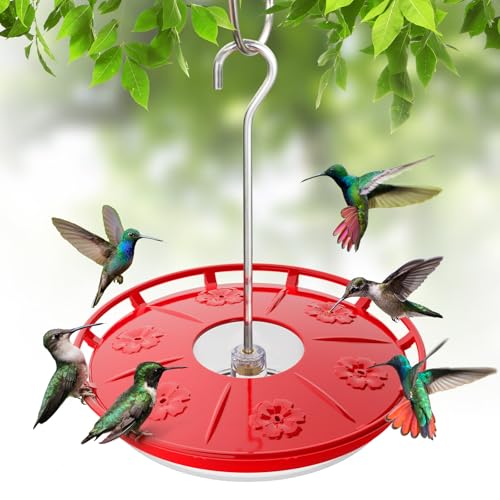


What seed should you buy in Tennessee?
- Safflower: the cardinal seed squirrels tend to skip. Bitter to many squirrels, grackles, starlings and house sparrows. Birds may need a week or two to switch to it; mix it with sunflower at first.
- Peanuts in the shell: jay magnet. Jays cache them, which is fun to watch and empties a tray fast.
- Black oil sunflower: the one seed to buy if you buy one. High oil content and a thin shell make it the widest-appeal seed there is. Most feeder birds in most of North America eat it.
- Nyjer (thistle): finch food for small-port feeders. Not related to thistle despite the name. Imported nyjer is heat-treated so it does not sprout. Needs a feeder with tiny ports or mesh or it pours out.
- Suet and suet dough: fat for insect eaters. Rendered suet cakes are the standard; no-melt doughs blend fat with flour or cornmeal to hold shape in heat.
What about hummingbirds and nest boxes?
Hummingbirds: Ruby-throated Hummingbird.
Nest boxes worth putting up: Eastern Bluebird, Carolina Chickadee, Carolina Wren, Purple Martin, Prothonotary Warbler.
Neighbouring Southeast states: Alabama, Arkansas, Florida, Georgia.
Bird feeding in other states
Alabama · Alaska · Arizona · Arkansas · California · Colorado · Connecticut · Delaware · Florida · Georgia · Hawaii · Idaho · Illinois · Indiana · Iowa · Kansas · Kentucky · Louisiana · Maine · Maryland · Massachusetts · Michigan · Minnesota · Mississippi · Missouri · Montana · Nebraska · Nevada · New Hampshire · New Jersey · New Mexico · New York · North Carolina · North Dakota · Ohio · Oklahoma · Oregon · Pennsylvania · Rhode Island · South Carolina · South Dakota · Texas · Utah · Vermont · Virginia · Washington · West Virginia · Wisconsin · Wyoming
Get the Tennessee feeding calendar
What to put out through the year and when to clean, on one printable page.
Used only to send the checklist.Frequently asked questions
What birds come to feeders in Tennessee?
Common feeder birds across the Southeast include cardinals, blue jays, chickadees, titmice, house finches, goldfinches and red-bellied woodpeckers. Exact species vary with habitat and elevation, and winter brings visitors that do not breed locally. Project FeederWatch counts are the best guide to what a feeder in your part of Tennessee will actually see.
What is the state bird of Tennessee?
The official state bird of Tennessee is the Northern Mockingbird. It is a regular backyard bird, and the feeder setup on this page will attract it.
When should I put out hummingbird feeders in Tennessee?
Ruby-throated Hummingbird Put feeders out about two weeks before the usual first arrivals in spring and leave them up until two weeks after the last visitor in autumn; keeping a feeder up late does not stop migration. Mix 1 part sugar to 4 parts water and change it on the temperature schedule.
How do I feed birds in Tennessee in winter?
Mild winters bring northern goldfinches, juncos and sparrows south; summer heat makes nectar and suet spoil fast. Keep feeders clean, since crowded winter feeders spread disease, and stock high-energy foods such as black oil sunflower and suet.
Are there bird feeding restrictions in Tennessee?
Some towns, HOAs and wildlife agencies restrict feeding where bears, deer or rodents are a problem, and black bears are present in parts of Tennessee, so many agencies advise taking seed feeders down from spring to late autumn in bear country. Check your local rules and take feeders down during disease outbreak advisories.