Best Bluebird House in 2026
Bluebirds are picky about box dimensions, and the entrance hole size is non-negotiable: too large and starlings take over, too small and bluebirds cannot enter at all. The Nature's Way Cedar Bluebird House gets the sizing and predator protection right at a fair price, which makes it our top pick over both a lighter starter box and a heavier-duty premium option.

The short list
| Tier | Pick | Price | |
|---|---|---|---|
| Beginner | KraAra Bird Houses for Outside Clearance with Copper Guard | $19.99 | View |
| Intermediate | Nature's Way Cedar Bluebird House for Outdoor Nesting | $21.99 | View |
| Expert | Kingyard Bluebird House, Outdoor Bird House with Predator Guard | $39.99 | View |
KraAra Bird Houses for Outside Clearance with Copper Guard
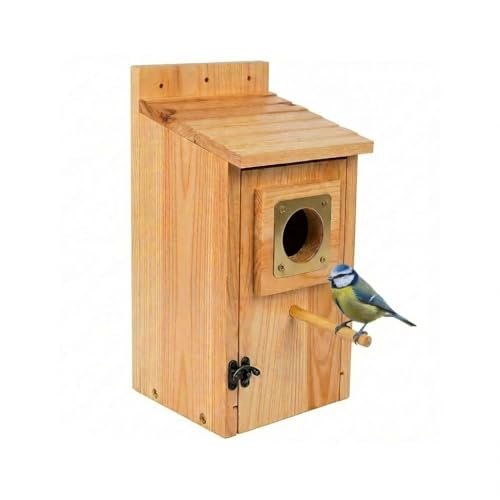
The KraAra Bluebird House pairs a pine body with a copper predator guard around the entrance hole for a low entry price, making it a reasonable first box for someone who wants to try attracting bluebirds without a big commitment. It is easy to mount and includes the guard rather than requiring a separate purchase.
Skip it if: Skip it if you want the more weather-resistant, longer lasting body that cedar construction provides over pine.
Nature's Way Cedar Bluebird House for Outdoor Nesting
The Nature's Way Cedar Bluebird House uses naturally rot-resistant cedar, a metal predator guard around the hole, and a ventilated design that keeps nestlings from overheating in a closed-up wooden box during hot afternoons. It is the buy-once pick for a box that should last many nesting seasons outdoors.
Skip it if: Skip it if you specifically want a heavier-duty guard system built for repeated raccoon or snake pressure at your site.
Kingyard Bluebird House, Outdoor Bird House with Predator

The Kingyard Bluebird House is the most fully equipped option in the catalog, built with a reinforced predator guard system for sites with heavier raccoon, snake or squirrel pressure. It is the ceiling pick for anyone who has had a box raided before and wants the strongest available protection.
Skip it if: Skip it if your yard has low predator pressure, since the Nature's Way cedar box already includes solid protection at a lower price.
Also worth a look
Other listings in the same category, spread from budget to premium.


What size entrance hole does a bluebird house need?
Eastern bluebirds need a 1.5 inch diameter entrance hole. This is the single most important spec on any bluebird house: a hole larger than that lets in starlings, which are aggressive cavity competitors that will kill bluebird nestlings and take over the box, while a smaller hole blocks bluebirds entirely. Every box in this roundup is built to that 1.5 inch standard.
| Species | Entrance hole diameter |
|---|---|
| Eastern bluebird | 1.5 inches |
| House wren | 1 to 1.25 inches |
| Black-capped chickadee | 1.125 inches |
Measure any box you are considering against the published spec rather than assuming, since even a small manufacturing variance of an eighth of an inch can be the difference between a box bluebirds readily use and one that sits empty all season while starlings or house sparrows try to force their way in instead. A properly sized hole matters more than any other single feature, so if you are ever choosing between a box with a nicer predator guard and one with a confirmed, correctly sized 1.5 inch hole, prioritize the hole size first.
See our full nest box hole size chart for more species-specific sizing before you buy a house for a different bird.
Where and how high should a bluebird house be mounted?
Mount a bluebird house 4 to 6 feet above ground on a smooth metal pole, facing a clear flight path with open ground or short grass in front of the entrance, since bluebirds hunt insects from a low perch and swoop into the box from open sight lines. Avoid mounting directly on a tree trunk, since bark gives climbing predators like raccoons and snakes an easy path straight to the entrance hole.
A smooth pole with a stovepipe-style predator baffle below the box does more to protect a nest than the guard on the hole itself. Since raccoons and snakes climb, not jump, keeping the pole itself unclimbable matters more than distance from cover the way it does for squirrel-proofing a hanging feeder.
Facing the entrance hole away from prevailing wind and driving rain, generally to the east or southeast in most of North America, also helps keep the nest cavity drier through spring storms. It is a small detail, but a box that regularly takes wind-driven rain through the entrance can chill eggs or young nestlings on cold, wet days.
If you are mounting more than one box on the same property, pair a bluebird box with a nearby perch, like a low fence line or an open tree limb 20 to 30 feet away, since bluebirds hunt insects by watching from a perch and dropping down onto prey rather than gleaning from foliage the way many other songbirds do. A yard with mowed lawn, a pasture edge or a large garden bed nearby tends to support this hunting style better than a yard that is mostly dense planting beds and shrubs. Keeping a strip of shorter grass near the box, rather than letting it grow tall and dense, keeps that hunting ground usable through the whole nesting season.
What is the ideal spacing between bluebird boxes?
Bluebirds are territorial around active nests, so boxes meant for bluebirds should generally sit at least 100 yards apart if you are putting up more than one. If you are also hoping to attract tree swallows, which readily use the same box design and hole size, pairing two boxes about 15 to 20 feet apart lets both species nest nearby without the bluebirds driving off the swallows, since paired boxes reduce the territorial conflict between the two species.
How do I keep house sparrows from taking over the box?
House sparrows are a bigger practical threat to bluebird nests than starlings, since sparrows can fit through the same 1.5 inch hole that bluebirds use, unlike starlings, which are generally blocked by correctly sized holes. Regular monitoring during nesting season is the most effective defense: check the box every few days, and if you find a sparrow nest, which typically looks like a loose, messy dome of grass and trash compared to the neater, cupped nest bluebirds build, remove it promptly before eggs are laid. Some bluebird landlords also use a sparrow-spooker, a simple device with dangling strips above the entrance, though results vary by site and by how persistent the local sparrow population is.
How we chose
We did not test these bluebird houses in person. This roundup is built from published entrance hole dimensions, box materials and predator guard designs, cross-checked against nest box standards published by bluebird conservation groups, along with a wide read of verified owner reviews. Any box that did not clearly publish its entrance hole diameter was left out of consideration entirely, since that single measurement determines whether bluebirds can use the box at all.
Buying tips: what makes a bluebird house actually work
A side or front panel that opens for cleaning is worth prioritizing, since bluebird boxes should be cleaned out between broods and again at the end of the season, and a box with no clean-out access makes that far harder. Ventilation gaps near the roofline keep the box from overheating in direct sun, which matters because nestlings cannot regulate their own body temperature well in the first days after hatching.
Drainage holes in the floor are a simple detail that prevents rainwater from pooling under the nest. Cedar and durable recycled poly lumber both outlast painted pine, so if you plan to leave a box up year-round through weather, either material is worth the modest price step up from a basic pine box.
A recessed floor, set slightly below the entrance hole opening, also helps keep driving rain from pooling directly under the hole. It is a small design detail that is easy to miss when comparing boxes side by side, but it shows up as a drier nest cavity through a wet spring season.
Weight and mounting hardware are worth a quick check too. A box that ships with its own mounting bracket or predrilled holes for a pole saves an extra trip to buy separate hardware, and a lighter overall build makes it easier to lift the box off the pole for that end-of-season cleaning without needing a second set of hands, which matters if you are managing the box on your own.
Get the one-page buying checklist
The three picks above, the placement distances and a cleaning schedule on one printable page.
Used only to send the checklist.Buy the picks
Prices move constantly; the button shows the current figure.
Frequently asked questions
What is the correct entrance hole size for a bluebird house?
Eastern bluebird houses need a 1.5 inch diameter entrance hole. This size is large enough for a bluebird to enter but small enough to keep out most starlings, which are a major nest competitor. A hole that is even slightly larger than 1.5 inches risks losing the box to starlings, so exact sizing matters more than it might seem.
How high should I mount a bluebird house?
Mount the box 4 to 6 feet above the ground on a smooth metal pole rather than a tree or wooden post, facing open ground where bluebirds can watch for insects. A smooth pole with a baffle below the box blocks climbing predators like raccoons and snakes, which is more important for nest survival than the exact height within that range.
When should I clean out a bluebird house?
Clean the box out promptly after each brood fledges, since bluebirds will often raise two or three broods in a season and prefer a clean cavity for each new nest. Do a final full cleaning at the end of the nesting season as well, removing old nest material so the box is ready for the following spring without leftover parasites or debris.
Will house sparrows or starlings take over a bluebird house?
House sparrows can fit through a 1.5 inch hole and are a real threat to bluebird nests, sometimes killing eggs or nestlings to take over a box. Starlings generally cannot fit through a properly sized 1.5 inch hole, which is why hole diameter is the most effective single defense. Monitoring the box regularly during nesting season is the best way to catch a sparrow takeover early.
Do bluebird houses need a perch below the entrance hole?
No, and most quality bluebird houses intentionally leave the perch off entirely. Bluebirds are capable of clinging directly to the entrance hole and do not need a perch to get in, but predator birds, squirrels and even house sparrows can use an external perch to brace themselves while reaching into the box to raid eggs or nestlings. Every recommended house in this roundup skips the perch for exactly that reason.