Best Finch Feeder in 2026
Goldfinches and other small finches feed most naturally hanging upside down or sideways on a seed head, which is why a tails-up port design outperforms a standard straight tube feeder for this group. The Woodlink Audubon Tails Up Finch Feeder builds around that behavior at a fair price, our top pick over a simpler metal mesh starter and a larger-capacity premium feeder.

The short list
| Tier | Pick | Price | |
|---|---|---|---|
| Beginner | Nyjer/Thistle Seeds Wild Bird Feeder | $19.54 | View |
| Intermediate | Woodlink NATUBE20NB Audubon Tails Up Nyjer Thistle Finch Wild Bird | $20.88 | View |
| Expert | Kingsyard Finch Thistle & Nyjer Bird Feeder for Outdoors Hanging | $32.99 | View |
Nyjer/Thistle Seeds Wild Bird Feeder

The Metal Nyjer Finch Feeder is a straightforward metal mesh tube feeder sized specifically for nyjer seed, at the lowest entry price in the category. It is an easy way to see whether finches are active in your yard before investing in a more specialized feeder design.
Skip it if: Skip it if you specifically want the tails-up feeding style that caters to how goldfinches naturally perch and feed.
Woodlink NATUBE20NB Audubon Tails Up Nyjer Thistle Finch
The Woodlink Audubon Tails Up Finch Feeder uses upside-down feeding ports below each perch, matching how goldfinches naturally cling and feed on seed heads in the wild, from an established brand with a long history specifically in finch feeders. It is the buy-once pick for anyone targeting finches as a primary feeder goal.
Skip it if: Skip it if budget is the top priority and you are not sure finches visit your yard yet, since the basic metal mesh feeder above tests that for less.
Kingsyard Finch Thistle & Nyjer Bird Feeder for Outdoors

The Kingsyard Finch Feeder is the largest-capacity finch feeder in the catalog, built for a yard with heavy, consistent finch traffic that empties smaller feeders quickly. It is the ceiling pick for anyone running a dedicated finch station rather than a single casual feeder.
Skip it if: Skip it if you only see occasional finch visits, since a smaller capacity feeder will keep seed fresher by turning over faster.
Also worth a look
Other listings in the same category, spread from budget to premium.



What is the best bird feeder for yellow finches?
American goldfinches, often called yellow finches for their bright breeding plumage, respond best to a feeder with small ports sized for nyjer seed and, ideally, a tails-up design where the feeding ports sit below the perch. This lets birds feed hanging in a more natural, head-down posture, similar to how they cling to a wild thistle or coneflower seed head, and this posture also happens to be awkward for larger bully birds, giving finches more uncontested access.
Male goldfinches molt into their bright yellow breeding plumage in warmer weather and fade to a duller olive tone in colder weather, but both sexes and both plumage stages readily use the same nyjer feeders throughout the year, so a finch feeder is worth keeping stocked well outside of the brightest yellow season as well, since traffic often stays steady even when the flock looks visually duller.
Nyjer tube feeder or mesh sock: which works better for finches?
Both styles work well and mainly differ in maintenance and capacity. A metal mesh tube feeder, like the iBorn 15-Inch Finch Tube Feeder, holds a larger seed volume and is easier to clean than a fabric mesh sock, which some yards use for finches instead. A rigid tube or cage design also holds up better long-term against weather and squirrel chewing than a soft mesh sock, which is why most of the feeders in this roundup use a rigid metal or plastic body.
| Style | Capacity | Cleaning |
|---|---|---|
| Metal mesh tube | Moderate to high | Easy, rigid body wipes and rinses clean |
| Tails up port feeder | Moderate | Easy, ports open for a thorough scrub |
| Fabric mesh sock | Low to moderate | Harder, fabric holds moisture and mold longer |
Why do finch feeders need such small feeding ports?
Nyjer, also called thistle, is a tiny seed, and a feeding port sized for it is intentionally too small for a house sparrow or larger bird to get a full beak into easily, which naturally favors finches over bully species at the same feeder. This is also why nyjer needs its own dedicated feeder rather than sharing a standard tube feeder built for sunflower seed, since a standard port is simply too large and lets most of the tiny seed spill out uneaten.
American goldfinches are the most frequent visitor to a properly sized nyjer feeder, but house finches, pine siskins and common redpolls in winter range will also readily use the same small ports, making a dedicated finch feeder a reasonable investment across a much wider range of species than goldfinches alone. Which of these additional species show up depends heavily on your region and the season, so treat a finch feeder as an investment in variety rather than a guarantee of any one species. A feeder left up year-round gives migratory finches the best chance of finding it whenever they do pass through.
Some finch feeder designs also use small mesh openings rather than round ports, letting birds cling directly to the mesh and peck seed out at their own pace. Mesh designs tend to hold slightly more seed for their overall size than a row of individual ports, though they can be a little slower to clean thoroughly than a feeder with a small number of large, simple openings.
A clear or translucent feeder body, used on several models in this roundup, also makes it easy to check remaining seed level at a glance without taking the feeder down, which helps you catch a nearly empty feeder before finches lose interest and move on elsewhere to a more reliable food source nearby.
Does it matter what color a finch feeder is?
Some owners and feeding guides report that yellow accents on a finch feeder can help draw goldfinch attention faster, since bright yellow roughly matches the color of a male goldfinch in breeding plumage, though this effect is anecdotal rather than rigorously proven. Feeder color matters far less than seed freshness, port sizing and location, so it is reasonable to treat a yellow accent as a nice-to-have rather than a deciding factor when choosing between feeders.
How we chose
We did not test these finch feeders in person. This roundup is built from published port design, capacity and material specifications, cross-checked against known finch feeding behavior described by wildlife feeding guides, along with a wide read of verified owner reviews on how quickly each feeder actually draws in goldfinches and other finches. We did not include feeders that lacked clearly published port sizing, and we treated any claim about how fast a feeder attracts finches as a general pattern from owner reports rather than a guarantee for every yard. Capacity figures were taken directly from manufacturer listings rather than estimated from feeder dimensions.
Buying tips: setting up a finch feeder that actually gets used
Fresh seed matters more for finch feeders than almost any other type, since nyjer goes stale and loses its appeal to finches faster than sunflower or mixed seed. Buy nyjer in a quantity you will use within 4 to 6 weeks, and store it in an airtight, rodent-proof container rather than the original bag.
Placement also affects success: finch feeders tend to draw the most consistent traffic when hung a bit apart from a busy general feeding station, since goldfinches are more tolerant of feeding near other finches than near larger, more aggressive species. Give a dedicated finch feeder its own spot a few feet away from the main feeder cluster, ideally within sight of some low cover the flock can retreat to quickly.
Finches also tend to feed in loose flocks rather than alone, so do not be discouraged if a new feeder sees only one or two visitors at first. Once a handful of goldfinches locate a reliable feeder, it is common to see that number grow steadily over the following weeks as the flock's foraging pattern shifts to include the new spot.
A weather guard or small roof over the feeding ports helps keep nyjer dry between refills, since damp nyjer clumps together and clogs small ports far more easily than it does in a covered feeder. This matters more for nyjer specifically than for larger seed types, given how fine and lightweight the seed is, so a covered design is worth seeking out in wetter climates.
Get the one-page buying checklist
The three picks above, the placement distances and a cleaning schedule on one printable page.
Used only to send the checklist.Buy the picks
Prices move constantly; the button shows the current figure.
Frequently asked questions
What seed do goldfinches like best?
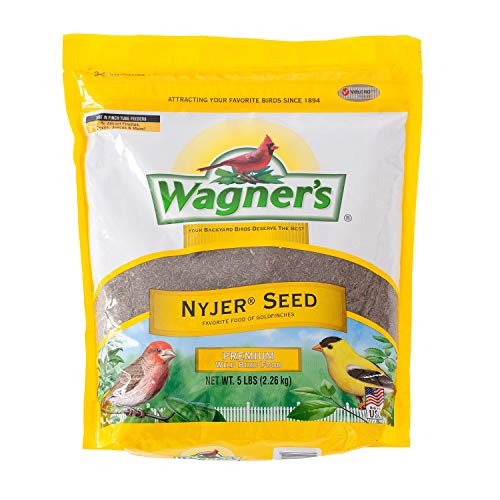
Nyjer, also called thistle seed, is the strongest draw for American goldfinches and other finches, since it is small, high in oil content and matches what finches naturally forage on wild seed heads. Sunflower hearts are a strong secondary option finches will also readily eat, but nyjer paired with a properly sized feeder remains the most targeted choice.
Why is my finch feeder not attracting any birds?
Stale seed is the most common culprit, since nyjer specifically loses its appeal after sitting too long, even if it looks fine. Also check that feeding ports are actually sized for nyjer rather than larger mixed seed, and give the feeder several weeks in a consistent location, since finches often take longer to discover a new feeder than more common backyard species.
Do I need a special feeder for nyjer seed, or can I use any tube feeder?
You need a feeder with ports specifically sized for nyjer's tiny seed size rather than a general-purpose tube feeder. A standard tube feeder built for sunflower or mixed seed has ports too large for nyjer, which lets most of the seed spill out and go to waste on the ground rather than being eaten, and it also fails to give finches the small, controlled opening they are used to feeding from.
How often should I clean a finch feeder?
Clean a finch feeder about every 2 weeks under normal conditions, and weekly if you notice mold, clumped seed or heavy traffic, using a diluted bleach solution of roughly 1 part bleach to 9 parts water followed by a thorough rinse and full drying. Nyjer clumps and molds more easily than larger seed if it gets damp inside the tube.
Do tails-up finch feeders actually work better?
Many owners and feeding guides report that tails-up designs, where finches feed hanging below the perch, get used readily by goldfinches, since it matches their natural feeding posture on wild seed heads. This posture is also awkward for larger birds, which can shift more of a feeder's traffic toward finches specifically over time.