Best Compact Binoculars for Birding in 2026
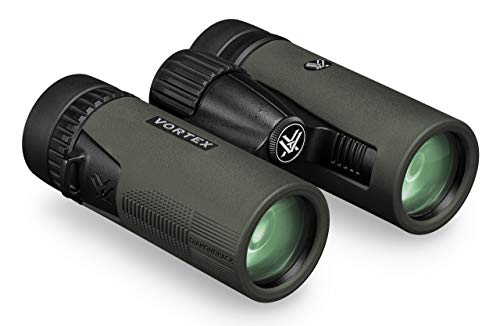
Compact binoculars trade some brightness for size, so the right pick depends on how far you are willing to go for pocketability. The Vortex Diamondback HD 8x32 is our overall pick because it stays bright enough for real birding while still being genuinely lightweight, and true pocket 8x25 models cover trips where every ounce matters.
The short list
| Tier | Pick | Price | |
|---|---|---|---|
| Beginner | Nikon Trailblazer II 8x25 | $83.95 | View |
| Intermediate | Vortex Diamondback HD 8x32 Binoculars | $209 | View |
| Expert | ZEISS Terra ED Pocket Binoculars 8x25 Compact | $399.99 | View |
Nikon Trailblazer II 8x25

The Nikon Trailblazer II 8x25 is an ultra-compact, waterproof travel binocular from an established optics brand at a genuinely low price. It folds small enough to live in a jacket pocket or daypack side pocket, making it an easy first compact binocular for hiking or travel birding.
Skip it if: Skip it if most of your birding happens at dawn or dusk in wooded areas, since a small 25mm objective lens is noticeably dimmer than a 32mm lens in low light.
Vortex Diamondback HD 8x32 Binoculars
The Vortex Diamondback HD 8x32 is the buy-once pick for compact birding. Its 32mm objective lens gathers meaningfully more light than a pocket 25mm model, so it holds up in shade and early morning light, while still weighing and packing far lighter than a full-size 42mm binocular.
Skip it if: Skip it if minimizing pack weight and folded size is your top priority over everything else, since a true 8x25 pocket model is smaller still.
ZEISS Terra ED Pocket Binoculars 8x25 Compact
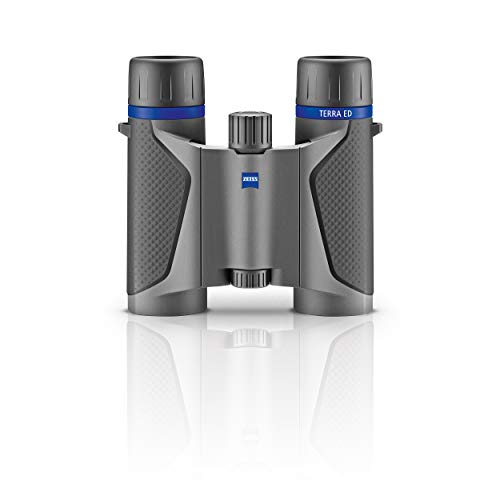
The Zeiss Terra ED Pocket 8x25 uses ED glass and premium coatings in a true pocket body, closing much of the brightness gap you would normally expect from a small 25mm lens. It is the ceiling pick for anyone who wants pocket size without a serious optical compromise.
Skip it if: Skip the Zeiss pocket model if budget is a bigger concern than size, since a Vortex Diamondback HD 8x32 delivers similar or better real-world brightness for a fraction of the price.
Also worth a look
Other listings in the same category, spread from budget to premium.


What is the best pocket binocular for bird watching?
Among true pocket binoculars, look at 8x25 models from established optics brands rather than generic compact binoculars, which often use lower quality glass to hit a rock-bottom price. The Nocs Provisions Standard Issue 8x25 and Nikon Trailblazer II 8x25 both fold small enough for a jacket pocket and hold up to daily carry, which matters more than most buyers expect since a pocket binocular gets more bumps and drops than one that lives in a padded case at home.
Nocs Provisions in particular is built specifically around the idea of a rugged, no-fuss pocket binocular meant to be carried everywhere rather than treated as a delicate instrument, with a grippy rubber-armored body designed for daily use in a jacket or bag pocket rather than a padded case. That approach makes it a strong pick for a birder who wants a binocular they will actually reach for on a regular walk, not just on planned birding outings.
The Nikon Trailblazer 8x25 ATB is a slightly older but well-regarded design in the same category, worth considering if the newer Trailblazer II is out of stock or priced higher at any given time, since both share the same core waterproof, compact 8x25 formula. Either one is a reasonable pocket companion binocular even for someone who already owns a full-size 8x42 for dedicated birding sessions.
Do compact binoculars work well for kids or travel groups?
A lightweight 8x25 or 8x28 compact binocular is genuinely easier for smaller hands and shorter arms to hold steady than a full-size 42mm binocular, which makes the compact category a reasonable choice for a family that bird watches together on trips. The narrower field of view and dimmer low-light image matter less for casual daytime outings than they do for dedicated dawn and dusk birding, so the tradeoffs of a compact model line up well with how most travel and family birding actually happens.
A shorter center hinge distance on many compact models also helps smaller users get a clean, single merged image, since a binocular built for average adult eye spacing can be genuinely difficult for a child to focus properly on a full-size body. Letting a child try a compact model before buying, if possible, avoids the frustration of a binocular that never quite lines up for their eyes, and it is a quick, worthwhile check before committing to a purchase.
Why choose 8x28 or 8x32 over a true 8x25 pocket binocular?
Objective lens size sets the ceiling on brightness, and it is the main tradeoff as binoculars get smaller. An 8x28, like the Vortex Diamondback HD 8x28, and an 8x32, like our top pick, both split the difference between a full-size 42mm binocular and a true 25mm pocket model. They pack noticeably smaller and lighter than a 42mm pair while staying usable in shaded woodland and the last light of the day, conditions where a 25mm pocket binocular starts to look visibly dim.
| Objective size | Exit pupil at 8x | Best use |
|---|---|---|
| 25mm | 3.1 mm | Travel, daypack, bright daylight birding |
| 28mm | 3.5 mm | Light hiking with better low-light margin |
| 32mm | 4.0 mm | Daily carry binocular that still handles shade and dusk |
In practice, an 8x32 like the Vortex Diamondback HD 8x32 is the format most experienced birders reach for when they want one binocular that covers both casual daily carry and a serious morning of birding, since the brightness gap to a full 42mm binocular is small enough to rarely matter outside of the darkest woodland conditions.
Are lightweight binoculars worth it for all-day hikes?
For anyone covering serious mileage, weight adds up fast when a binocular hangs around your neck for hours. A pocket or compact model saves real weight and bulk compared to a full-size 42mm binocular, and the smaller body is also easier to raise quickly on a moving target, since there is less mass to swing into position. The tradeoff is a narrower field of view and dimmer low-light image, which is why serious birders often keep a compact model as a second binocular rather than a full replacement for a 42mm pair.
Weight savings also matter for anyone dealing with hand or wrist fatigue, since a lighter binocular is simply easier to hold raised and steady for the several seconds it takes to confirm field marks on a moving bird. If a full-size binocular has ever felt tiring to hold up for an extended sit at a feeding station or a slow-moving flock, a compact model solves that directly.
How we chose
We did not test these binoculars in person. This roundup is built from published objective lens sizes, magnification specs and manufacturer documentation, cross-checked against a wide read of verified owner reviews for real-world brightness and durability. Exit pupil figures are calculated directly from published objective and magnification numbers rather than taken from marketing copy.
Buying tips: compact binoculars for birding
Check that a compact model is genuinely waterproof and fog-proof, since some ultra-budget compact binoculars skip internal sealing entirely to save cost, which shows up as fogging the first time you use them in humid morning air. A rubber-armored body also matters more on a compact binocular than a full-size one, since it tends to get dropped or knocked around more in a pocket or daypack.
Focus mechanism style is another detail worth comparing across compact models. Some use a traditional center focus wheel, familiar from full-size binoculars, while a few ultra-compact designs use individual eyepiece focus instead, which can be slower to adjust quickly on a moving bird. If fast focusing matters to your birding style, favor a center focus wheel design over an individual eyepiece system when the two are otherwise comparable.
Center-hinge folding designs, used by nearly every compact model, let you fold the binocular flat for storage but require you to reset the eyecup spacing to your eyes each time you unfold it, which takes a second to get used to.
Finally, consider buying a simple carrying pouch or wrist strap if one is not already included, since a compact binocular is far more likely to slip a hand or get tossed loosely into a bag than a full-size binocular that lives permanently on a neck strap. A pouch also keeps the lenses protected from scratches when the binocular rides alongside keys, a phone or other daypack contents.
Get the one-page buying checklist
The three picks above, the placement distances and a cleaning schedule on one printable page.
Used only to send the checklist.Buy the picks
Prices move constantly; the button shows the current figure.
Frequently asked questions
Are compact binoculars good enough for serious bird watching?
A quality compact binocular from an established optics brand, like an 8x28 or 8x32, is genuinely capable for serious birding, not just casual use. True pocket 8x25 models are more of a compromise for low light, but they still work well for daytime birding on trips where minimizing weight and size matters more than squeezing out every bit of brightness.
What does 8x25 mean on a compact binocular?
The first number is magnification, so 8x means objects appear 8 times closer than with the naked eye. The second number, 25, is the objective lens diameter in millimeters, which sets how much light the binocular can gather. A smaller objective lens like 25mm makes for a lighter, more pocketable binocular but a dimmer image than a larger lens at the same magnification.
Is 8x32 or 8x42 better for travel birding?
For travel where pack weight and size matter, 8x32 is usually the better balance, since it is meaningfully smaller and lighter than 8x42 while still gathering enough light for most daytime and shaded conditions. Choose 8x42 instead if you plan on dedicated dawn or dusk birding sessions where maximum brightness outweighs portability.
Do compact binoculars fog up like cheap ones?
A quality compact binocular with nitrogen or argon purging and O-ring seals will not fog internally, the same protection used in full-size binoculars. The fogging problems associated with cheap compacts usually come from unsealed, unpurged bodies at the lowest price points, which is why sticking to an established optics brand matters even in the compact category.
Can I mount a compact binocular on a tripod?
Most compact binoculars do not include a tripod mounting thread, since the whole design goal is a small, hand-carried body. If you want tripod stability, look at a full-size 8x42 or 10x42 binocular instead, many of which include a threaded port under a small cap, or consider a spotting scope for extended stationary viewing.