Glass vs Plastic Hummingbird Feeder: Which Should You Buy?
For most readers, a plastic saucer hummingbird feeder is the practical everyday pick: it is lightweight, resists cracking if it slips out of your hands during a refill, and its shallow saucer shape is easy to scrub clean. A glass hummingbird feeder trades some of that convenience for durability against sun exposure, since glass will not yellow or scratch the way some plastics can after repeated seasons outdoors. Both need the same nectar and the same cleaning schedule, so the choice mostly comes down to weight, breakage risk, and how long you want the reservoir to look new.
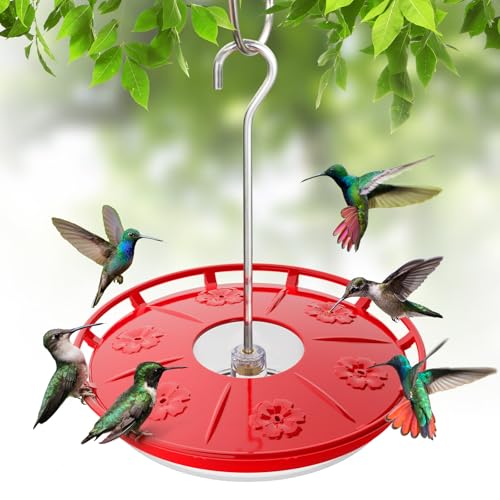
| Glass feeder | Plastic saucer feeder | |
|---|---|---|
| Material | Glass reservoir | Plastic saucer |
| Weight | Heavier | Lighter |
| Breakage risk if dropped | Higher | Lower |
| Sun discoloration over time | Resists yellowing | Can yellow with years of UV exposure |
| Cleaning | Dishwasher-safe on many models | Easy hand wash, shallow shape |
| Feeding ports | Perch plus multiple flower ports | Multiple feeding ports |
| Best for | Long-term reservoir durability | Everyday convenience and low breakage risk |
Both sides, current prices
Prices move constantly; the button shows the current figure.

Choose Glass hummingbird feeder if: Best for readers who want a reservoir that resists sun discoloration over several seasons.
Choose Plastic saucer feeder if: Best for readers who want a lightweight, break-resistant feeder that is easy to clean.
What actually differs between a glass and a plastic feeder?
Beyond the obvious material, the practical differences are weight, breakage risk, and how the reservoir ages outdoors. A glass feeder is heavier and needs a sturdier hook or bracket, but the glass itself will not scratch cloudy or yellow the way some plastics can after a few seasons of direct sun. A plastic saucer feeder is lighter, easier to hang from a lightweight bracket, and far less likely to shatter if it slips during a refill or gets knocked by wind.
Does the reservoir material affect the nectar itself?
Not meaningfully. What matters far more than glass versus plastic is the nectar recipe and how often you change it: mix one part plain white sugar to four parts water, never red dye, never honey, and change the nectar roughly every 6 days when temperatures stay below about 75 degrees, or daily once temperatures climb above about 92 degrees. Both feeder types hold that same nectar the same way. Use the hummingbird nectar calculator to size a batch to your feeder's capacity.
Which one is easier to clean at the sink?
Both need regular cleaning to prevent mold and sugar buildup, but a shallow saucer-style plastic feeder generally gives you easier access to every surface with a simple brush, since there are fewer deep, narrow channels than some glass reservoir shapes have around their base. Many glass feeders are dishwasher-safe on the top rack, which offsets some of that gap if you would rather not hand-scrub. Follow the same routine either way: rinse thoroughly and let it dry before refilling with fresh nectar.
Which one holds up better outdoors long-term?
Glass generally resists UV-related yellowing and surface haze better than plastic over several seasons of full sun exposure, which matters most if your feeder hangs somewhere with no afternoon shade. Plastic saucer feeders can develop a cloudy or slightly discolored look after a few years outdoors, though this is cosmetic and does not usually affect function. If your feeder location gets heavy sun and you want it to look new for longer, that favors glass.
Which is safer around kids and pets?
A plastic saucer feeder is the lower-risk choice if it hangs somewhere kids play, pets roam, or wind regularly knocks feeders around, simply because there is no glass to shatter if it falls. A glass feeder is not fragile in normal use once properly hung, but the consequences of an accidental drop are more serious than with plastic, which is worth weighing for a feeder placed low or in a high-traffic area.
Which should you buy?
Choose the plastic saucer feeder for everyday convenience, lower breakage risk, and easy cleaning. Choose the glass feeder if long-term resistance to sun discoloration matters more to you than weight or breakage risk. Either way, follow proper placement guidance in our hummingbird feeder placement guide, and see the full best hummingbird feeder roundup for more options at both ends of the price range.
Get the printable checklist
One page with every item, the placement distances and the cleaning schedule. We send it once. No sales sequence.
Used only to send the checklist.Frequently asked questions
Does a glass hummingbird feeder attract more hummingbirds than plastic?
No, the material of the reservoir does not influence whether hummingbirds visit; what draws them is fresh nectar, feeder color (often red accents on the feeder itself), and a safe, visible perch. Both glass and plastic feeders work equally well once filled with a properly mixed nectar recipe of one part sugar to four parts water, kept fresh on a regular changing schedule.
How often should I change nectar in either type of feeder?
Change nectar roughly every 6 days when daytime temperatures stay below about 75 degrees, and daily once temperatures climb above about 92 degrees, regardless of whether the feeder is glass or plastic. Heat spoils nectar faster than cooler weather does, so hot stretches call for much more frequent changes than a mild spring or fall.
Can I put a glass hummingbird feeder in the dishwasher?
Many glass hummingbird feeders are dishwasher-safe on the top rack, though always check the specific product's care instructions first, since some glass feeders include rubber gaskets or metal caps that are better hand-washed. Plastic saucer feeders are typically hand-washed given their shallow, wide shape, which makes a bottle brush or soft cloth easy to use anyway.
Will a plastic hummingbird feeder crack in cold weather?
Most plastic saucer feeders are rated for outdoor use across normal seasonal temperature swings, but any hummingbird feeder, glass or plastic, should be brought in or emptied once nectar would freeze solid, since ice expanding inside a sealed reservoir can stress the material regardless of what it is made from. Check your specific feeder's listing for any stated temperature limits.
Do ants and bees get into glass and plastic feeders equally?
Both feeder types are equally vulnerable to ants and bees unless the feeder design includes a built-in ant moat or bee guard, since insects are drawn to any exposed sugar water regardless of the container material. If your current feeder lacks these features, adding a separate ant moat is usually a simpler fix than switching feeder materials entirely.