6x30 binoculars for birding
Which 6x30 binoculars do we track?
We do not yet track a verified listing in this configuration. The numbers above still apply to any 6x30 binocular.
Popular 8x42 alternatives
Prices move constantly; the button shows the current figure.


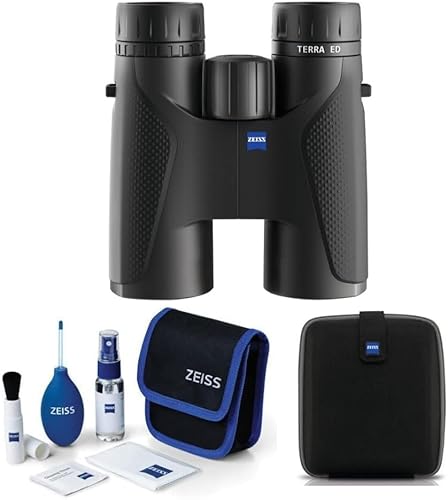
Other configurations and budgets
7x35 · 7x42 · 8x25 · 8x32 · 8x42 · 8.5x42 · 10x25 · 10x32 · 10x42 · 10x50 · 12x50
Under $100 · Under $200 · Under $300 · Under $500 · Under $1000
Get the binocular buying checklist
Exit pupil, close focus, eye relief for glasses and the warranty questions to ask, on one page.
Used only to send the checklist.Frequently asked questions
Are 6x30 binoculars good for bird watching?
They suit light, all-day birding. The 5 mm exit pupil stays bright at dawn, dusk and under trees, and 6x keeps the view steady and the field wide enough to find moving birds. For most backyard birders an 8x42 remains the default.
What does 6x30 mean?
6 is the magnification, so a bird looks 6 times closer. 30 is the diameter of each objective lens in millimetres, which sets how much light comes in. Dividing 30 by 6 gives the exit pupil of 5 mm, the width of the light beam reaching your eye.
How bright are 6x30 binoculars?
Relative brightness, the exit pupil squared, is 25, against 27.6 for an 8x42 and 17.6 for a 10x42. Twilight factor is 13.42. Coatings and glass quality change real-world brightness a great deal, so two 6x30 binoculars at different prices can look very different at dusk.
6x30 or 8x42 for birding?
Compared with an 8x42, a 6x30 gives a wider, steadier view in a lighter, smaller body with less light. Try the numbers in the binocular calculator to compare directly.
How much do good 6x30 binoculars cost?
We do not currently track a verified 6x30 listing, so the button searches current 6x30 birding binoculars instead. Expect budget, mid-range and premium tiers, with glass quality the main difference.